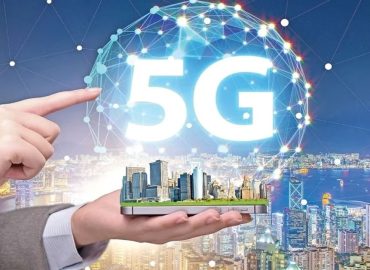
Digital transformation is reshaping marketing. Artificial intelligence, data analytics, and automation are increasingly impacting every area. The future of marketing It relies on personalized experiences and delivering the right message at the right time. Customers now prefer brands that are fast, transparent, and reliable. Social media and mobile technologies are accelerating this process. To succeed, businesses need to strengthen their human-centered approach alongside technology.
The Rising Role of Social Media
The rising role of social media is central to digital marketing. Today, for brands, social media is not just a communication tool; it's also a powerful channel for sales, customer support, and brand awareness.
Users spend a large portion of their day on social media. This creates a huge opportunity for businesses. With the right strategies, social media builds a strong bond between brands and customers. Reaching your target audience is now much easier.
The rising role of social media is also supported by content creation. Short videos, live streams, and interactive posts are prominent. Visual content quickly captures users' attention, which increases organic reach.
Social media ads too the future of marketing It provides guidance for this. Thanks to targeting options, brands can reach the right people. This increases conversion rates. Even small businesses can reach global audiences thanks to social media.
The rising role of social media is also crucial for customer feedback. Users can communicate directly with brands, which increases customer satisfaction. Trust and transparency are becoming indispensable for brands.
Social media trends are also changing rapidly. New platforms, algorithms, and content types are emerging. Businesses need to adapt to this change. Continuous innovation and flexibility are essential for success.
In conclusion, the rising role of social media, the future of marketing It will be decisive. For businesses, social media is no longer just a preference; it's now a fundamental requirement for sustainable growth.
The Intersection of E-Commerce and Social Commerce
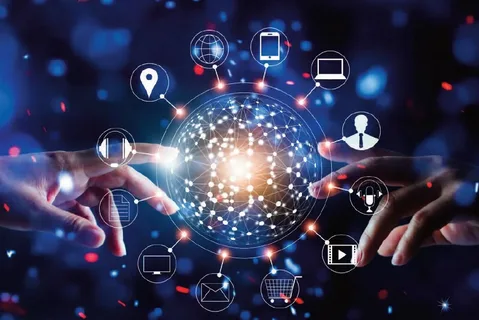
The e-commerce world is growing rapidly. People no longer need physical stores to shop. It's becoming possible to access products with a single click.
Social commerce adds a new dimension to this process. Users can shop through social media platforms. Instagram, Facebook, and TikTok stand out in this area. Shared content directly transforms into purchasing opportunities.
The convergence of e-commerce and social commerce offers a significant advantage for brands, because users spend most of their time on social media, and purchasing decisions are often shaped there.
Social commerce accelerates the customer experience. Users can instantly purchase products they like, which increases conversion rates and opens up new sales channels for e-commerce sites.
Social commerce also strengthens trust. Users see reviews, likes, and influencer recommendations, making the purchasing process easier. Social proof enhances brand value.
The convergence of e-commerce and social commerce will occur over time. the future of marketing This will be decisive. Integration and innovation are essential for brands. Establishing strong collaborations with social media platforms is critical to success.
In conclusion, this collaboration doesn't just increase sales; it also fosters customer loyalty and brand awareness. For businesses looking to grow in the digital age, e-commerce and social commerce are a major reason for the future of marketing.
Metaverse and Virtual Experience Marketing
The metaverse stands out as one of the most remarkable developments in the digital world. People shop, attend events, and interact with brands in virtual spaces. This situation... the future of marketing It offers new opportunities.
Virtual experience marketing is taking on a new dimension with the metaverse. Brands are not just offering products; they are also providing users with an unforgettable experience. Virtual stores, interactive showrooms, and 3D events are prominent in this field.
The metaverse allows for a closer connection with the target audience. Users can interact with brands through their avatars, increasing loyalty and strengthening engagement. The future of marketing It is shaped by experience-oriented strategies.
Virtual experience marketing also offers brands global reach. Geographic boundaries disappear. A brand can reach people in different parts of the world simultaneously. This creates a competitive advantage.
In conclusion, metaverse and virtual experience marketing represent a major turning point for the future of marketing. Experience-focused, innovative, and interactive strategies stand out in this process. Businesses that invest in this have the opportunity to be pioneers in digital transformation.
Data Privacy and Ethical Marketing

In the digital age, data has become one of the most valuable resources for businesses. Data gleaned from user behavior and preferences plays a critical role in marketing. However, data privacy and ethical marketing come to the forefront at this point.
Consumers now expect transparency from brands. Protecting personal information is becoming a fundamental element in building trust. Collecting data without user consent or sharing it without permission can severely damage a brand's image.
Ethical marketing is not just about complying with the law. It means respecting the customer, understanding their needs, and adding value to them. This trust-based approach strengthens customer loyalty.
Brands that prioritize data privacy stand out from their competitors. Businesses that build user trust see increased conversion rates. This is critical for the future of marketing, because sustainable success depends on a trustworthy brand image.
Data privacy and ethical marketing are becoming increasingly important for businesses in the digital world. Campaigns based on trust and transparency form a strong foundation for today's and the future of marketing.