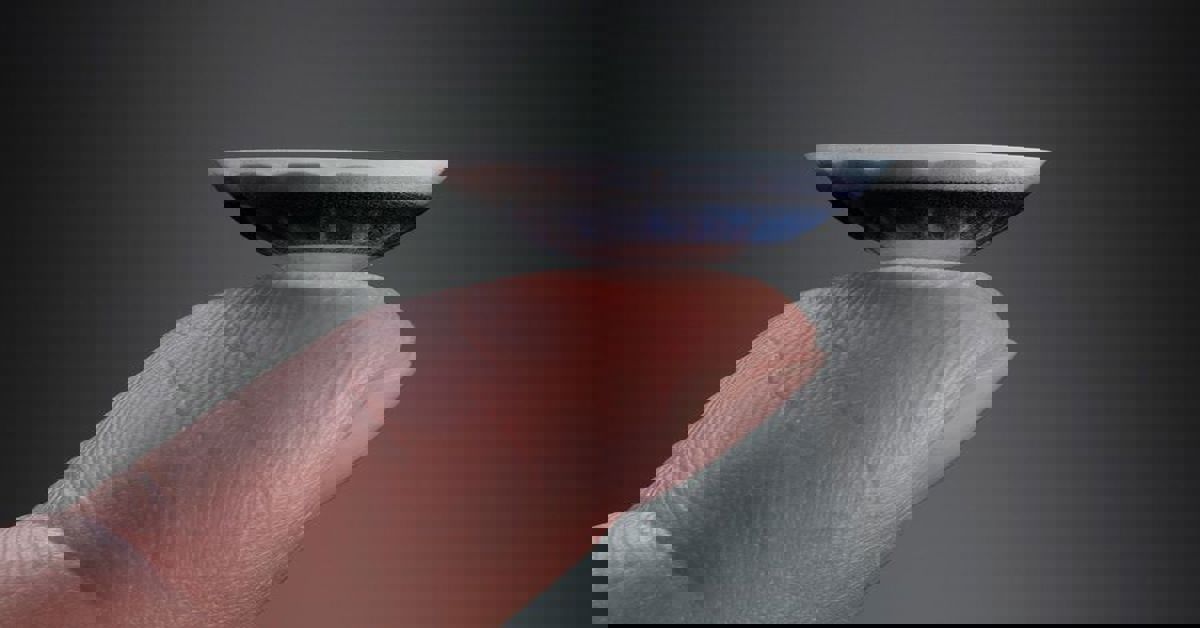
While still in the R&D phase, this technology has experienced remarkable development in recent years. These systems produce digital layers that support the natural vision of the human eye. Users can simultaneously observe the real world and receive digital information. augmented reality lens He can see thanks to it.
What is an Augmented Reality Lens and How Does it Work?
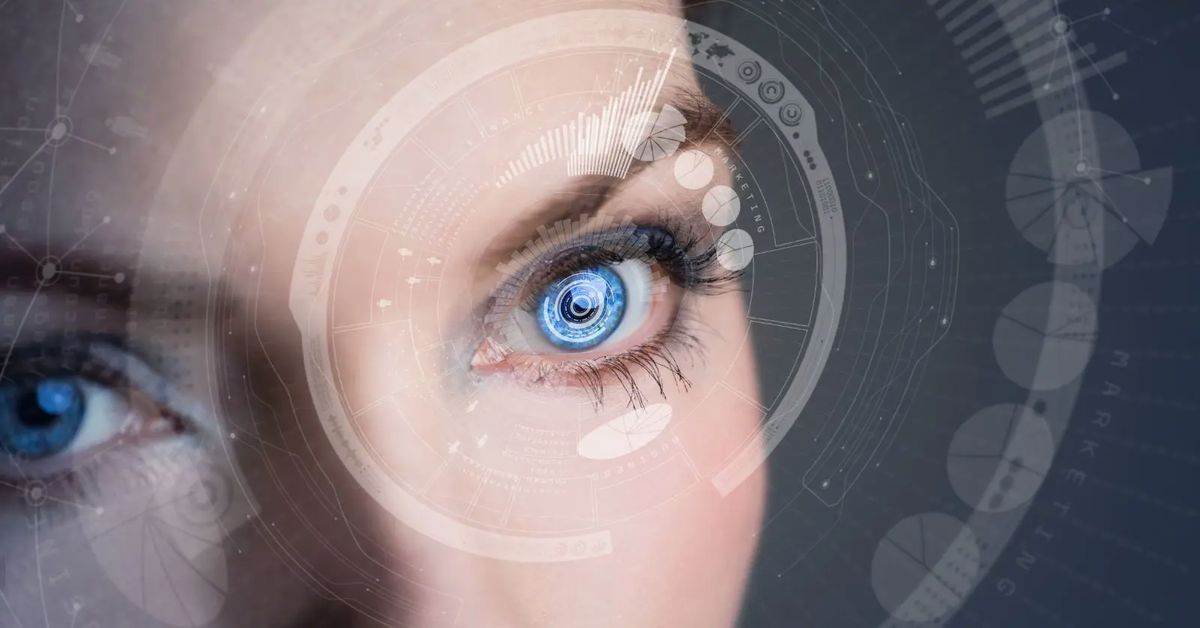
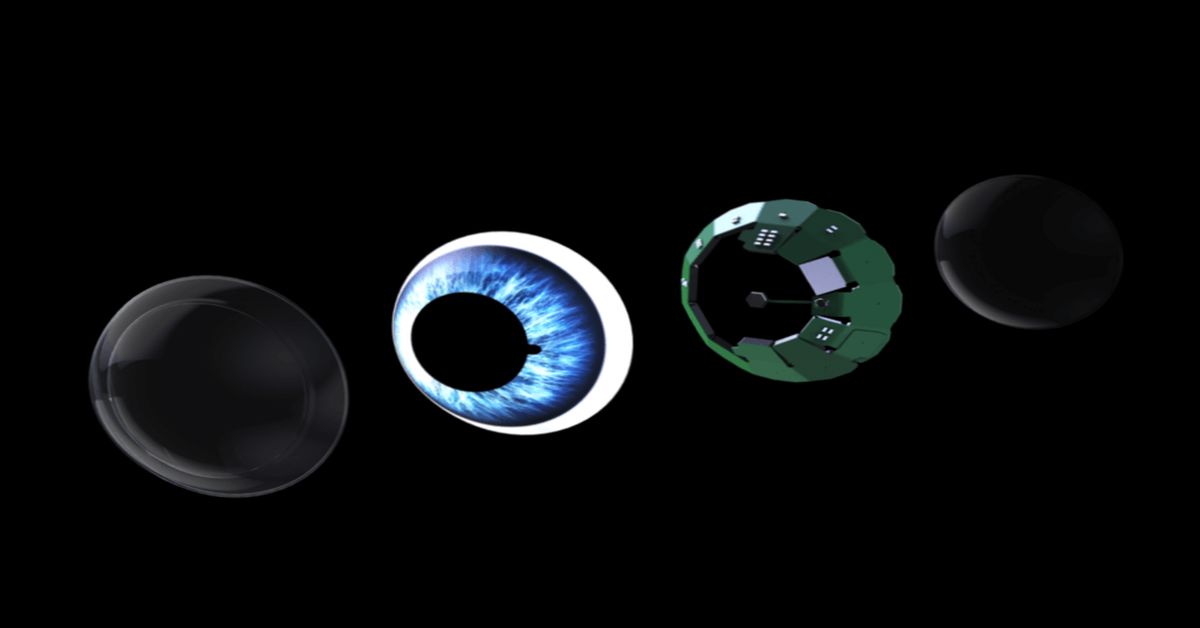
This design aims to reduce traditional screen dependency. The technology works through a special lens implanted in the eye's surface. Micro-level components are located within the lens, creating an image. Sensors detect eye movements, allowing the content to be shaped according to the user's gaze direction.
The system operates via wireless communication. Data transfer is provided through an external device. In some prototypes, energy requirements are kept at a low level. This aims to extend the lifespan. Biocompatible materials are preferred for eye health. These lenses have a structure similar to classic contact lenses, but their internal structure is quite complex. The most important goal in terms of user experience is to provide natural vision.
The biggest challenge in the development process is the size limit. The entire system must fit into a very small area. At the same time, high image quality is expected. Therefore, engineering studies are ongoing intensively. Security tests constitute an important stage. Long-term usage effects are examined in detail. This technology, mentioned in the last paragraph, could create a major transformation in the future. Augmented Reality Lens It is seen as an innovation that reduces the boundary between humans and the digital world. This system has not yet reached widespread use.
Next-Generation Technologies That Enhance the Visual Experience
Vision technologies play a significant role in human life. Solutions developed in recent years are not limited to simply correcting vision; they also aim to enrich the experience. Next-generation systems bring digital data directly into the field of vision. This approach increases the speed of access to information. Users can view content without needing a screen, providing significant convenience in daily life.
These technologies are also attracting interest in the field of sports. Performance tracking can be done in real time. Users can analyze their own data instantly. Different use cases are also emerging in education. Students can improve the learning process with visual support. Real-time translation support can be offered during language learning. This can shorten the learning time.
Industrial applications are also quite extensive. Technical teams can receive data support while working in the field. The risk of errors is reduced. In the healthcare field, guidance can be provided in surgical procedures. These developments aim to make human life easier. As technology advances, its areas of application expand. This development process, described in the last section, is creating a significant transformation. Augmented Reality Lens It has the potential to be at the heart of this transformation. It is expected to become more accessible in the coming years.
Digital Image Integration in Daily Life
The boundary between the digital and physical worlds is gradually blurring. This is changing daily life habits. People want faster access to information. Wearable technologies address this need. Eye-based solutions represent a significant step in this area. Users can receive information even while walking. Navigation directions are directly within their field of vision, reducing distractions.
Communication processes may also change with this technology. Messages may appear prominently. Users can respond quickly. This makes time management easier. Social media use may take on a different dimension. People may consume content faster. The entertainment industry will also be affected by this development. The gaming experience will become more realistic.
This integration process also brings with it some debates. Privacy is a crucial issue. User data needs to be protected. At the same time, the effects of long-term use must be examined. The security of this technology is of paramount importance. These developments, highlighted in the final section, should be carefully considered. Augmented Reality Lens This stands out as an important part of the process. Its integration into human life will become clearer over time.
How will Augmented Reality Lenses be Used in the Future?
Future projections indicate that this technology will become widespread. Initially, it may target limited user groups. The healthcare sector could be one of the priority areas. It can provide data presentation alongside visual assistance, supporting treatment processes. Later, its use in daily life may expand, and individuals may integrate this technology into their lives.
With the concept of smart cities, usage may increase. Navigation systems will become more advanced. Traffic information can be viewed in real time. In the field of education, individual learning can be supported. Productivity can increase in the business world. Employees can access information quickly in the field. This reduces time loss.
Technological advancements can reduce costs, allowing for wider reach. Production processes can be optimized, and user experience can be continuously improved. All these developments will be influential in shaping the future. This transformation, described in the final section, is progressing at a remarkable pace. Augmented Reality Lens It stands out as a technology that will play an active role in many areas in the future. The impact of this system on our lives will become clearer over time.