Video Production

Today, one of the most effective tools for brands to reach their target audience. video production These are the contents. This process includes scriptwriting, filming, lighting, sound design, and post-production. Ideas are conveyed through a powerful visual and auditory language. Videos prepared with proper planning and creative editing have a significant impact in areas such as advertising and social media.
Video Production for Corporate Promotion
Today, businesses need to use effective communication tools to stand out in the digital world. At this point... video productionVideos are one of the most powerful methods in corporate marketing. Professionally produced videos reflect the brand's identity and deliver the right message to the target audience.
The first step in video production for corporate promotion is planning. The scriptwriting and message development process must be done carefully. The goal of the video is to clearly convey the brand's values and services to the viewer.
Professional camera, lighting, and sound equipment are used during the filming process. This ensures high-quality images. A quality technical infrastructure strengthens the brand's professional image.
The post-production process is just as important as the shooting itself. Editing, color correction, and sound enhancement make the video more effective. Graphics, animations, or subtitles are added as needed. These elements increase viewer engagement.
Corporate promotional videos can be used in many areas. They yield good results on websites, social media accounts, presentations, or trade show promotions. Thanks to videos, businesses can reach a wider audience in a short time.
In conclusion, video production Corporate marketing is an indispensable tool. Content prepared with a solid plan, professional filming, and effective editing increases brand credibility and awareness. Every investment made in corporate marketing contributes to brand value in the long run.
Equipment Used in Video Production
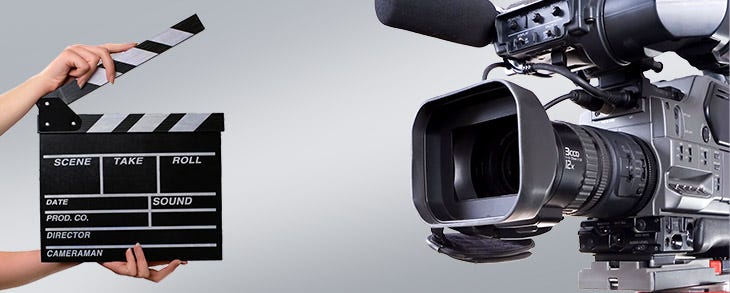
A professional video production process requires the right equipment. Every piece of equipment used directly affects the image and sound quality. Therefore, the equipment used in video production is critical to the success of the project.
The most basic piece of equipment is the camera. Professional cameras offer high-resolution images. DSLR and mirrorless cameras provide flexibility. Cinema cameras are preferred for large projects.
Lighting is also an integral part of production. Even the best camera won't deliver the desired result without the right lighting. Softboxes, LED panels, and spotlights create the scene.
Audio equipment is also crucial. External microphones, voice recorders, and boom microphones help achieve clear sound. Poor audio recording negatively impacts the audience experience.
Stabilization equipment like tripods and gimbals makes images look more professional. They prevent camera shake and allow for smoother shooting.
Post-production requires powerful computers and editing software. These systems make video editing fast and efficient.
Video production equipment includes cameras, lighting, sound, stabilization, and editing systems. Choosing the right equipment enhances the quality of the project and provides the viewer with an impressive experience.
Stages of the Video Production Process
The video production process consists of several fundamental stages. Each stage is crucial for high-quality, professional content. Without proper planning and teamwork, a successful video is impossible.
The first stage is the pre-production process. During this phase, the script is written, the concept is determined, and the shooting plan is created. Filming locations are selected, and the necessary equipment is prepared. Pre-production ensures the video is built on a solid foundation.
The second stage is production. This is the stage where the filming takes place. Camera, lighting, and sound equipment are used professionally. The harmony between the director and the crew is crucial here. The right angle, appropriate lighting, and high-quality sound recording determine the success of the production.
The third stage is post-production. The filmed footage is edited during this stage. Color correction, sound mixing, effects, and graphics are added. The final version of the video is created in this section. The visual quality that will impress the viewer is achieved in post-production.
The final stage is publishing and distribution. Once the video is complete, it is shared on appropriate platforms. Social media, websites, or television are some possible channels. The distribution strategy ensures the fastest and most accurate reach to the target audience.
In conclusion, the video production process consists of pre-production, production, post-production, and distribution phases. If each of these phases is handled carefully, the result will be professional and effective videos.
The Impact of Production on Advertising Videos

Advertising is one of the most effective ways for businesses to reach their target audience. Video productionProduction is a critical process that determines the quality and impact of advertising videos. A professionally prepared production conveys the brand's message clearly and powerfully.
In advertising videos video production The process primarily focuses on enhancing visual quality. Clear images, proper lighting, and professional shooting techniques build viewer trust. High-quality visuals reflect the brand's professionalism.
Sound and music are also an integral part of this process. Clean sound recording and carefully selected music increase the memorability of the advertisement. Good sound design strengthens the emotional impact of the advertisement and captures the viewer's attention.
The post-production phase, which follows the filming, is just as important as the filming itself. Editing, effects, color grading, and animation additions enhance the impact of the advertisement. Good editing keeps the viewer's attention until the end of the video.
With this video productionThis also contributes to highlighting the brand identity. The logo, color palette, and visual details used support the corporate image. Thus, brand awareness increases and builds trust in the audience.
In short, video productionThis is the most important factor directly affecting the success of commercials. A professionally managed process leaves a strong and lasting impression on a brand's target audience.